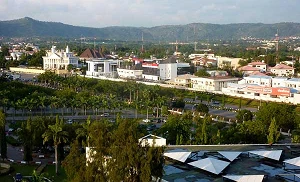
GSMA: Congo digital reforms could add $1.5bn to economy by 2030
- Details
- Category: Devices & Platforms
- 5114 views

The Republic of the Congo could unlock FCFA870 billion (US$1.5 billion) in additional economic value, create more than 144,000 jobs and connect over 540,000 new mobile internet users by 2030 if it implements targeted digital policy reforms, according to a new report from the GSMA.
The report, Driving Digital Transformation of the Economy in the Republic of Congo, argues that greater adoption of mobile connectivity and digital financial services could accelerate economic diversification, improve tax collection and support the country’s broader development goals under its Digital Strategy 2030 and National Development Plan.
Speaking at the GSMA Digital Africa Summit in Brazzaville, Caroline Mbugua, Senior Director of Public Policy and Communications at the GSMA, said the country had established a strong connectivity foundation but now needed reforms to encourage greater usage and investment.
Despite 4G networks covering 86% of the population, only 19% of Congolese citizens use mobile internet. The GSMA noted that around 70% of people living within network coverage remain offline, highlighting a significant usage gap.
The industry body said smartphone adoption remains constrained by affordability challenges, while limited digital skills and regulatory barriers continue to slow uptake of digital services. Mobile money adoption is growing, but broader digital inclusion remains a challenge.
According to the GSMA’s 2025 Digital Nations and Society Index, Congo scored 26 out of 100 overall and 33 out of 100 on its Digital Policy and Regulatory Index, suggesting considerable room for improvement in the country’s digital ecosystem.
The report estimates that expanding 4G coverage to 97% of the population and implementing a series of regulatory and fiscal reforms could increase the number of mobile internet users to 2.2 million by 2030, equivalent to around 31% of the population.
In addition to the projected FCFA870 billion economic boost, the reforms could generate FCFA174 billion in cumulative additional tax revenues by 2030 and deliver a net tax impact of FCFA93 billion in 2030 alone through stronger economic growth and more efficient revenue collection.
The GSMA outlined four priority areas for reform: improving conditions for infrastructure investment, using digital technologies to strengthen government revenue collection, increasing smartphone affordability and digital literacy, and modernising the country’s telecommunications and digital regulations.
Among its recommendations were reducing sector-specific taxes, eliminating customs duties on entry-level smartphones, lowering mobile money levies, streamlining spectrum and licensing frameworks, and developing a national artificial intelligence strategy.
The report argues that treating digital infrastructure as a strategic national investment could help unlock wider economic gains across sectors including agriculture, healthcare, manufacturing, transport and public administration.

More Articles you may be Interested in...




Ericsson and MTN continue MTN MoMo transition





TDRA extends licences of e& and du for 20 years





Amdocs boosts LatAm business with multiple deals