GSMA urges Gabon to cut smartphone taxes to boost mobile internet use
- Details
- Category: Regulation
- 297 views

The GSMA has urged the Gabonese government to reduce taxes on smartphones and mobile services to make internet access more affordable and bring more people online.
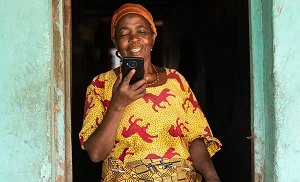
Only four in 10 people in Gabon use mobile internet, despite 4G networks covering 95% of the population. GSMA head of Africa Angela Wamola said the country had “built strong foundations”, but the next priority should be making connectivity more accessible.
The industry body estimates that coordinated tax reforms covering mobile operators, smartphones, network investment and digital services could connect an additional 190,000 people to the internet by 2031.
The reforms could also generate a net gain of around XAF63 billion (US$107 million) for public finances by 2031, according to the GSMA. It forecasts that the number of unique mobile subscribers would rise from 1.06 million in 2026 to 1.48 million in 2031, compared with 1.3 million without the proposed changes. Gabon has a population of around 2.65 million.
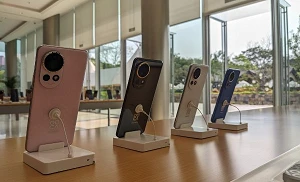
Smartphone affordability is a major barrier to wider adoption. Around 40% of households in Gabon own a mobile phone, but only half of these devices are smartphones. Smartphones are subject to 18% VAT, compared with 10% for laptops and personal computers.
The GSMA is calling for the government to introduce a clear definition of entry-level smartphones eligible for a reduced VAT rate, alongside more flexible financing options.
It pointed to South Africa as an example of how tax changes can improve affordability. The government removed a 9% luxury excise duty on smartphones priced below ZAR2,500, helping drive sales of around 1.1 million entry-level devices in the first 11 months.
The GSMA also called on smartphone manufacturers, component suppliers, financing companies and mobile operators to help reduce costs and expand the availability of affordable devices.
It said Gabon had already established foundations for using mobile technology to collect taxes and deliver public services, including healthcare and education.
“Affordable smartphones, practical digital skills and access to everyday public services from a phone can help more people get online. Alongside continued network investment, these changes can improve lives while strengthening the economy,” said Wamola.

More Articles you may be Interested in...


Gabon lifts social media ban after eight months

AST SpaceMobile gains S-band authorisation in Brazil



Eutelsat supports Polish rail connectivity trial





Why are smartphone sales declining in Africa?