New AI initiative aims to improve African healthcare
- Details
- Category: Humanitarian Comms
- 16656 views
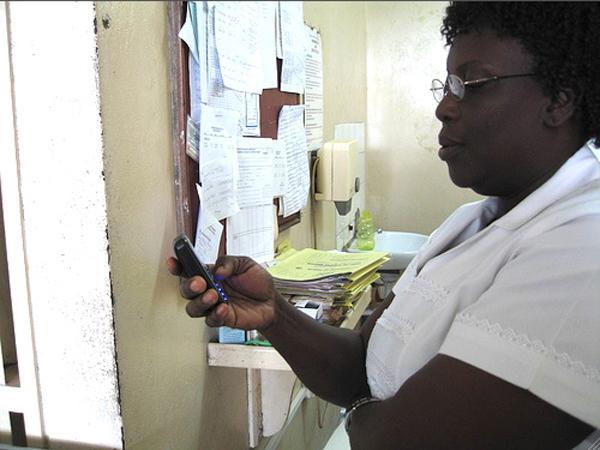
Philanthropic organisation the Gates Foundation and AI research organisation OpenAI say they plan to invest US$50 million to use AI to ease the impact of chronic staff shortages in 1,000 primary health clinics and surrounding communities in Rwanda and other African countries by 2028.
Horizon 1000, as the initiative is known, was unveiled by Bill Gates, Microsoft co-founder, at the World Economic Forum in Davos on Wednesday.
The aim, he said, is to accelerate the adoption of AI tools across primary care clinics, within communities and in people’s homes.
As UK news resource the Financial Times points out, health has become a leading focus of technology groups’ efforts to expand the use of AI tools, developing products that aim to reduce doctors’ workloads and speed up treatment.
In fact it seems that many hospitals and doctors globally are already using large language models as well as AI medical note-taking apps to auto-generate transcripts of patient visits, highlight medically relevant details and create clinical summaries.
Gates stressed that the initiative was to “support health workers, not replace them”. That said, shortages of health workers in sub-Saharan African countries are estimated at almost six million, so AI-based help with clinical record-keeping and symptom evaluations could, in theory, make health workers more productive.
Will it work? The FT points out that areas like AI-generated fabrications, patient data privacy and inadequate data on diseases that threaten historically understudied groups could be a problem, not to mention the need for more linguistically diverse health data and AI models.
More prosaically, it suggests, the literacy or comprehensibility of a health questioner can make a big difference to the response provided by an AI model.
The Gates Foundation seems to have this covered. It has said it will monitor, measure and audit the performance of the AI models for safety problems, such as inaccuracies and biases. It also intends to roll out the features gradually and tailor the tools for local cultures and contexts.
There has been some African policy support for AI in healthcare already, notably in Rwanda. In April 2025, Rwanda’s National Health Intelligence Centre was announced. It is designed to integrate cutting-edge analytics and evidence-based insights to harness real-time health data for informed policy decisions and system optimisation.
More Articles you may be Interested in...





Huawei and rain claim sub-1GHz breakthrough


Gabon inaugurates Tier III data centre




Angola’s Unitel plans IPO roadshow



PLDT and DITO sign infrastructure-sharing agreement






Zain to take over former MTN network in Syria